Guide: Staying Past 30 Days in Hua Hin After the Visa Cut
Since 15 September most visa-free visitors get 30 days, not 60. What that means for a remote worker based in Hua Hin, how the Destination Thailand Visa compares, and what the 31 August document changes add.
If you used to spend two months at a time in a Hua Hin rental on a visa-free entry, that arrangement ended on 15 September. The 60-day exemption is gone, and most visa-free visitors now get 30 days. For anyone who works remotely from the town, the practical question has shifted from how to stretch a stay to which visa fits the one you actually want.
This guide sets out what changed, what the Destination Thailand Visa (DTV) offers in its place, and where the Hua Hin end of the process happens. It is a reading of official notices and published guides, not legal advice, and rules at individual embassies differ.
What changed on 15 September
The Cabinet approved a review of Thailand’s visa measures on 19 May 2026. The revised measures were published in the Royal Gazette on 31 August, according to the Government Public Relations Department’s notice. The package grants one visa-exemption scheme per country and revokes the 60-day scheme. It expands the 30-day tourism scheme to 60 countries and territories, adds a 15-day scheme for two countries, and cuts the visa-on-arrival list to three. Khaosod English reported that the two 15-day countries are Seychelles and Mauritius.
Two details matter for residents. Visitors already in Thailand before 15 September could stay to the date on their passport stamp. And the government says the review covers only the 30-day and 15-day exemptions and visa on arrival, which apply to tourism, so other visa categories were not touched. A visa-free entry has never been permission to work, and the DTV rules below make that line sharper.
| Date | What happened |
|---|---|
| 19 May | Cabinet approves the revised visa measures |
| 31 August | Measures published in the Royal Gazette; DTV document rules also change |
| 15 September | 30-day exemption and the other changes take effect |
Visa-free versus the DTV
The DTV is the long-stay route aimed at people earning income abroad. The figures below come from Thaiger’s July 2026 guide, checked against the Royal Thai Embassy in Budapest’s page and a 2026 Erickson Immigration Group note.
| Visa-free entry | DTV | |
|---|---|---|
| Stay per entry | 30 days for most eligible nationalities | Up to 180 days |
| Validity | One entry at a time | Five years, multiple entry |
| Cost | Free | ฿10,000 base fee; charged in local currency and varies by embassy (the Budapest page lists €350) |
| Funds | None | ฿500,000 or equivalent |
| Work | Tourism only | Remote work for foreign clients; no work permit and no Thai clients or employers |
| Where to apply | At the border | Online through the e-Visa system, from outside Thailand |
| Extension | One, at immigration | One further 180 days, ฿1,900 at an immigration office |
The funds test is where applicants trip. Thaiger says the money must have sat in the account for at least three months and that sudden deposits are a common reason for rejection. The Budapest embassy page asks for a six-month official bank statement and does not accept crypto or investment statements. If you are preparing an application, follow the embassy that will process it. Thaiger also says processing runs from days at some Southeast Asian posts to several weeks at London and Washington.
The 31 August document changes
The DTV also tightened on 31 August. Erickson Immigration Group, summarising a Ministry of Foreign Affairs announcement, says every applicant must now submit a police clearance certificate issued within six months, with children under 16 allowed to use a parent’s. It says applicants in the UK and Ireland must show proof of permanent residence there in place of evidence of their current location. Check your own embassy for the exact documents, because the notice summarised is written for specific missions.
Thaiger adds that the DTV carries a tax consequence. Staying 180 days or more in a calendar year makes you a Thai tax resident. Foreign income remitted to Thailand while resident can then be assessable, under a Revenue Department instruction in force since January 2024. Its suggested plan for many people is to stay under 180 days a year. Take advice from a Thai-licensed tax adviser before relying on that.
What happens in Hua Hin
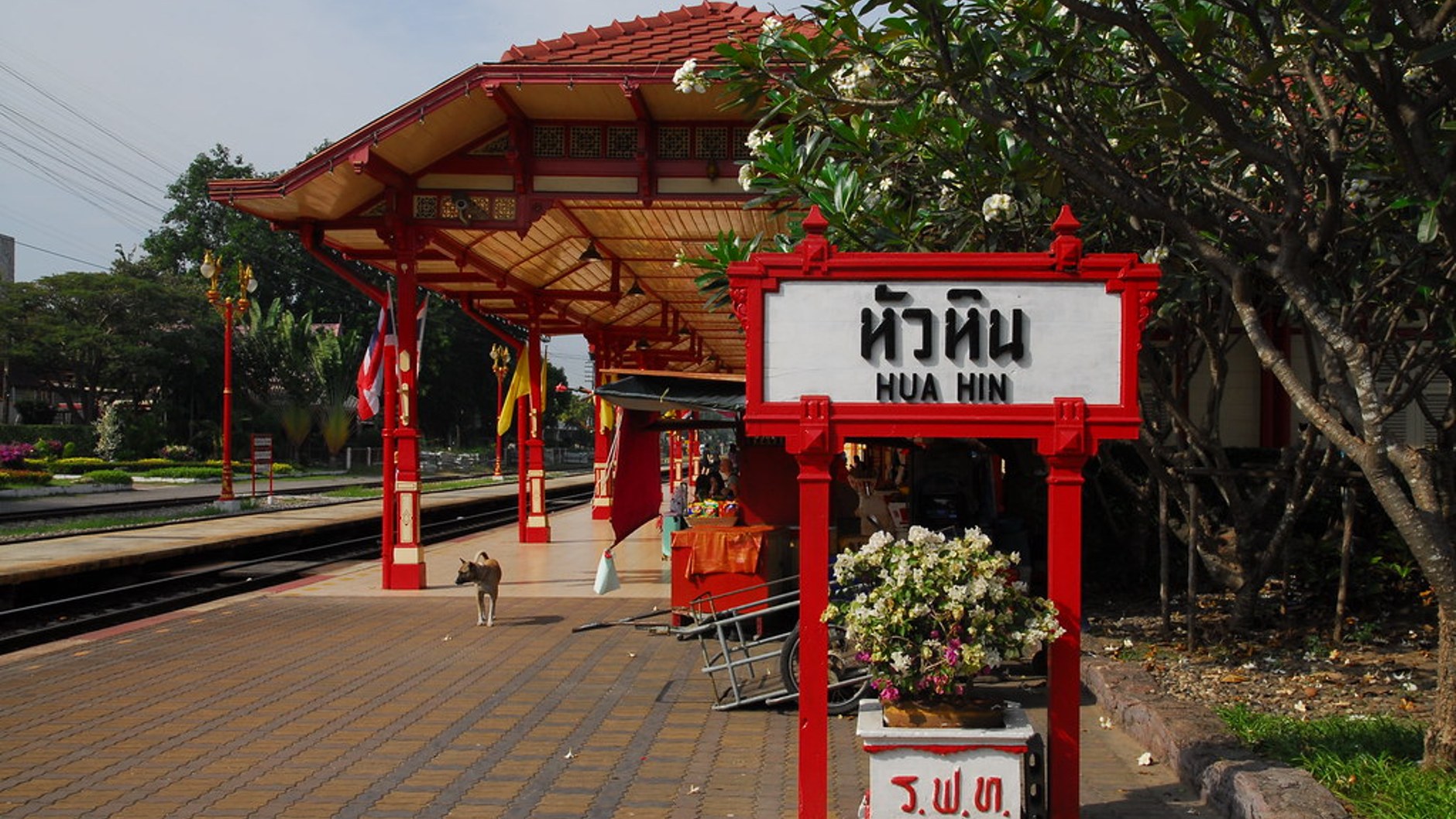
Applications go through the online system from abroad, so the local step comes after you arrive. A visa-services directory, thai-visa-services.com, lists the Hua Hin office of Prachuap Khiri Khan Immigration at 439 Moo 1, Thap Tai. It gives opening hours of Monday to Friday, 08:30 to 16:30, and a one-time ฿1,900 extension of a visa-exempt stay of up to 30 days. The listing says a small counter at BluPort mall handles limited services and that no official page confirms its hours, so call before going. It also says 90-day reports can be filed online.
Two pieces of paperwork follow you around. Thaiger says every arrival must complete the Thailand Digital Arrival Card within 72 hours before landing. It adds that a landlord or host must file a TM30 address notice within 24 hours of your arrival, a document immigration asks for at extensions. Ask your landlord whether it has been filed.
Who else the DTV covers
The DTV has three routes, according to the Budapest embassy page and Thaiger. The first, the “workcation” route, is for remote employees, freelancers and business owners earning abroad. The second covers Thai soft-power activities such as Muay Thai training, cultural courses, seminars and medical treatment, where the embassy page warns that short programmes risk refusal. The third is for the spouse and dependent children of a holder. Thaiger says each family member files a separate application and pays a separate fee, and that applicants must be at least 20 and outside Thailand when they apply.
For a Hua Hin household with children in school, that means a fee for every person on the file. The same guide notes that language schools were removed from the soft-power list, so people who want to study Thai on a long stay are directed to a different visa. Staying longer than 90 consecutive days also brings a 90-day notification to immigration, which Thaiger says can be done online, with a fine of around ฿2,000 for missing it.
What to do next
If you plan to be in Hua Hin for more than 30 days and work from a laptop, the DTV is the route the sources point to. If you only need a month, the visa-free entry and one extension at the Thap Tai office cover roughly two months at a cost of ฿1,900. Thaiger reports that tiered DTV pricing has been discussed but not confirmed, so the ฿10,000 fee could change. The official list of requirements sits with the Ministry of Foreign Affairs and the e-Visa portal, and the Royal Thai embassy that will handle your file has the last word.
— End of article —