Hua Hin’s Nam Biat: Why Fish Crowded the Shore on Sunday
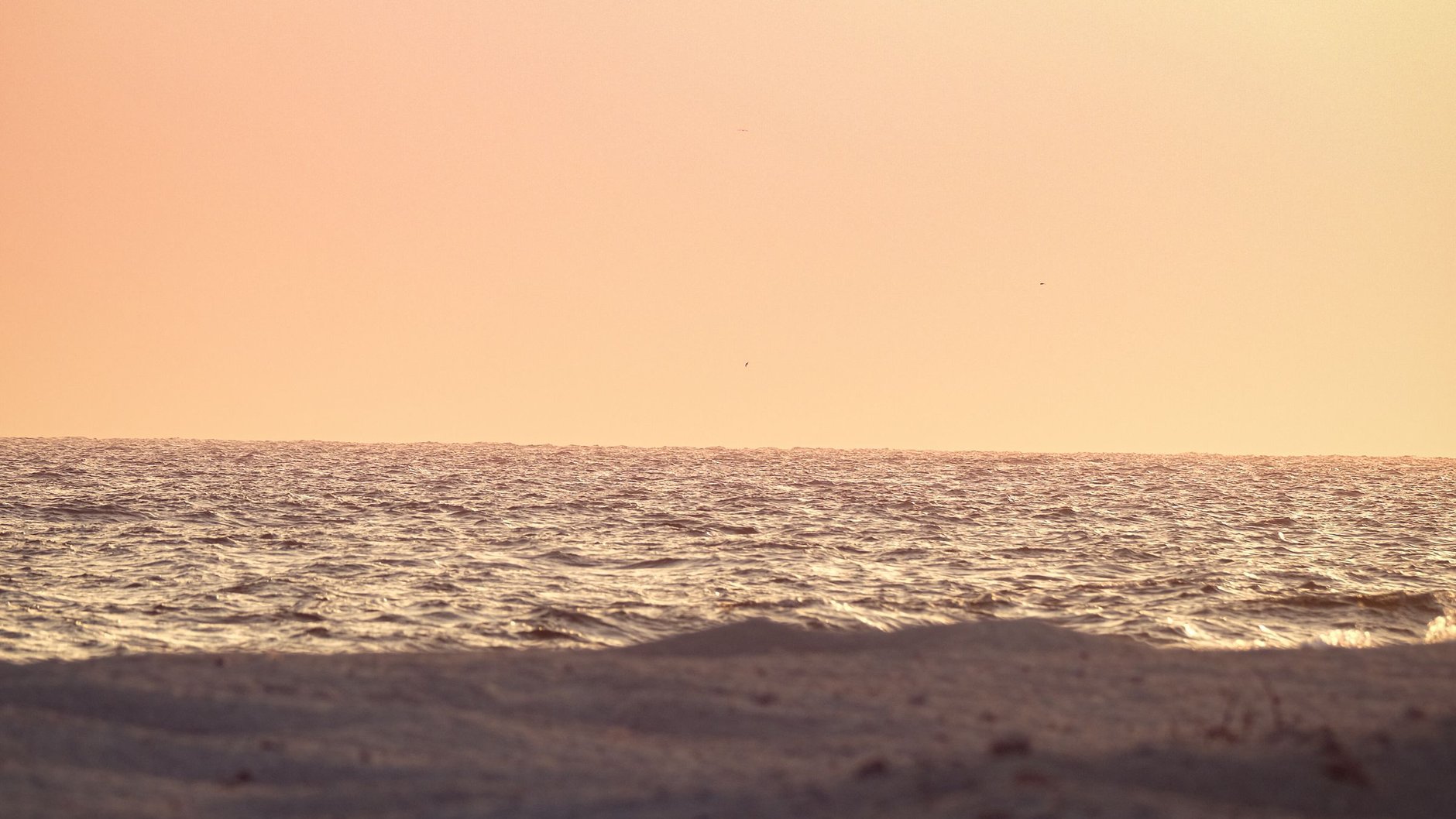
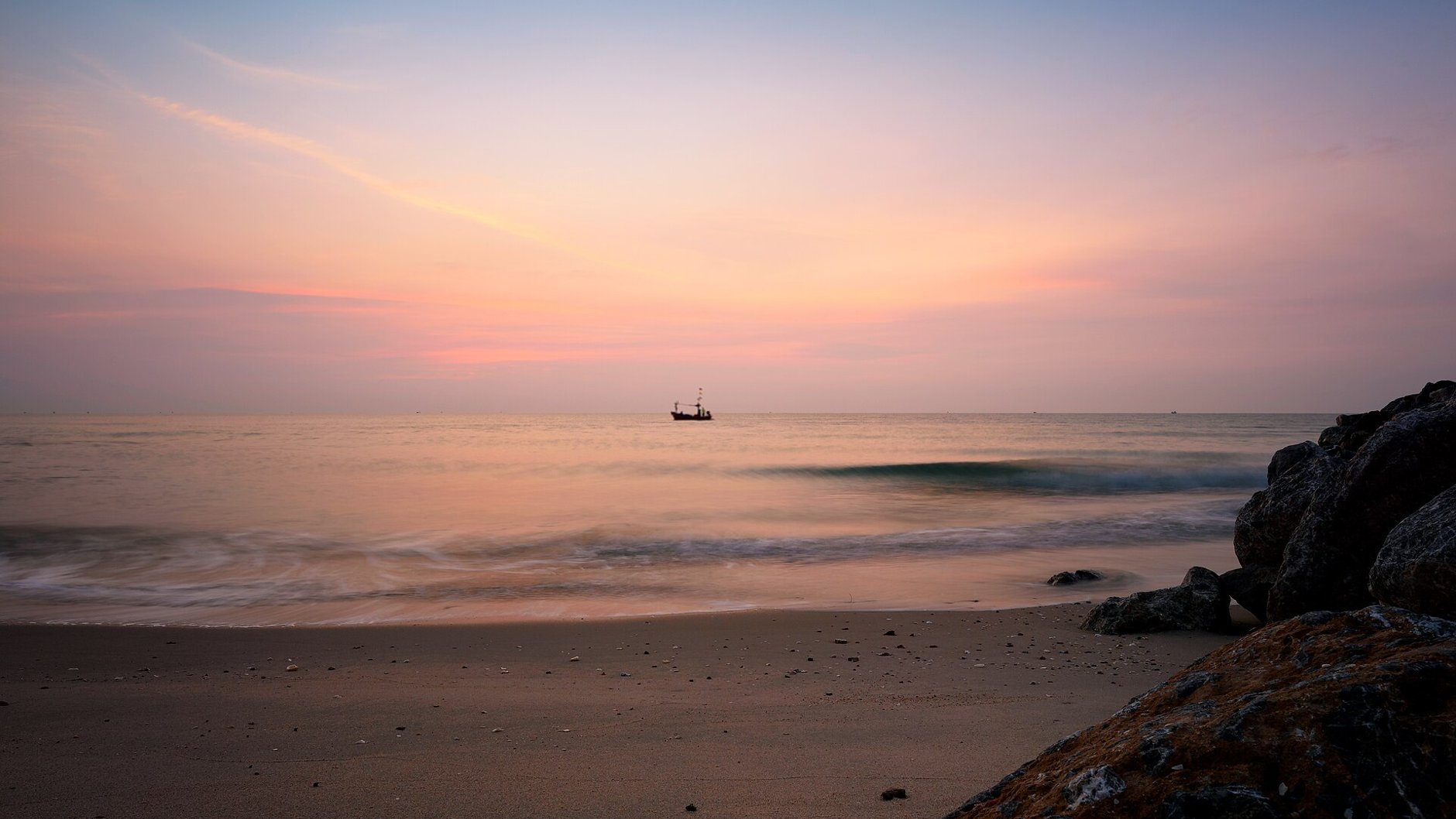
On 25 October the sea off Hua Hin beach and Khao Takiab turned a murky red and fish swarmed into the shallows. Locals call it nam biat. Here is what marine officials say causes it.
Hua Hin beach and the shore at Khao Takiab drew an unusual crowd on Sunday 25 October. The sea had turned a murky red and fish were crowding into the shallows, so residents and fishermen turned up with cast nets, scoops and harpoons.
Locals call it nam biat, roughly “squeezing water”. It is a familiar late-rainy-season event on this coast, and the municipality has already been telling people to stay out of the sea this month, as we reported on Saturday.
What was seen on the beach
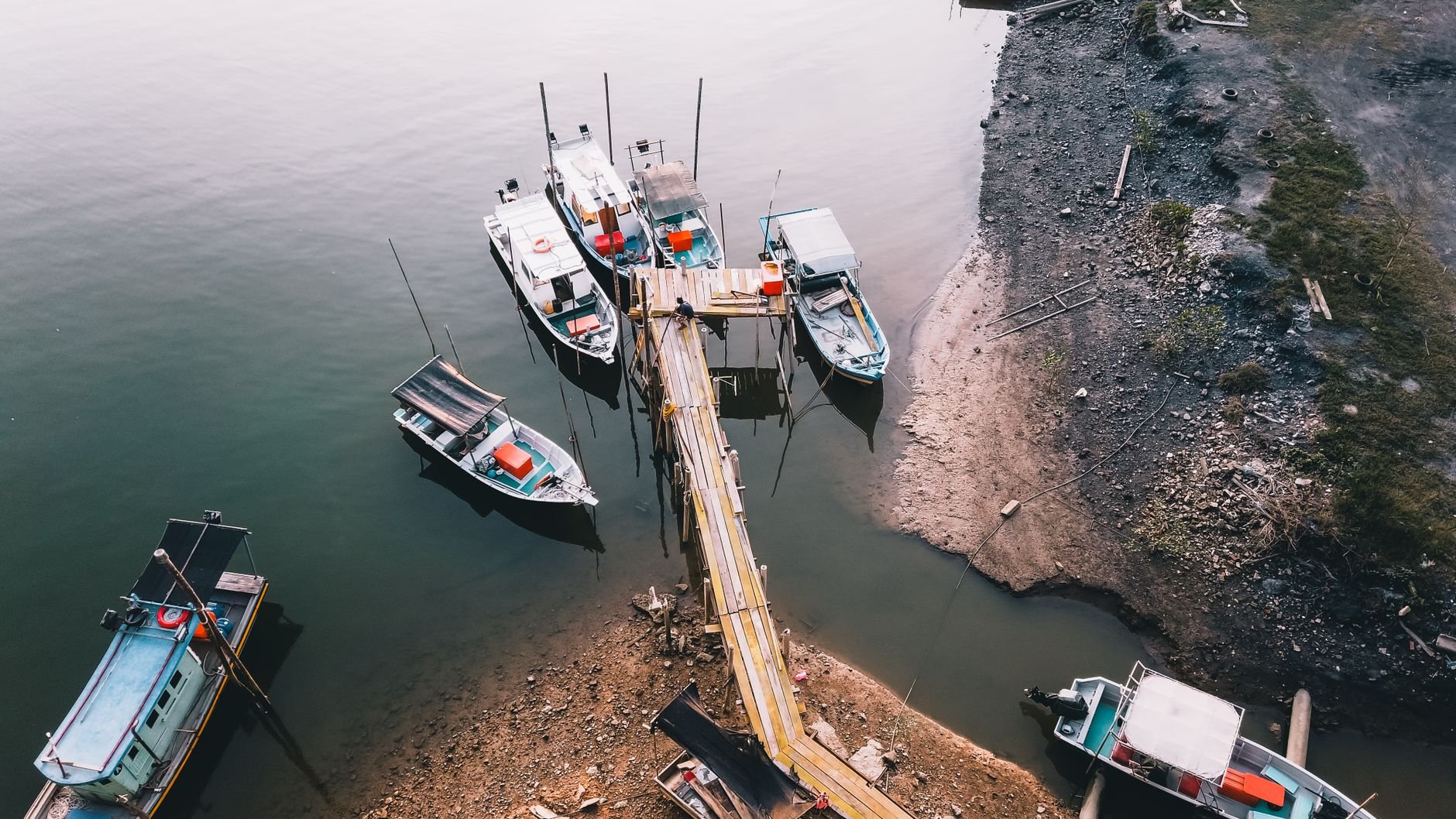
MGR Online reported that the catch included sea catfish, grouper, flatfish and sand fish. Most people took the fish home to cook. Bigger hauls were sold or turned into salted fish. Some boats floated just off the beach to herd fish towards their nets.
A local told the paper the same thing had happened a week earlier along the Cha-am coast in Phetchaburi, so Hua Hin fishermen had been watching for it. The report adds that the exact cause of the colour change and the gathering of fish still needs to be confirmed by the relevant agencies, along with any effect on the marine ecosystem.
What nam biat is
The Department of Marine and Coastal Resources (DMCR) has an explainer on the phenomenon, first published in 2017 about an episode at Hua Hin. It says the cause is fresh water meeting salt water, a natural feature of seas near river mouths.
In the late rainy season, around September and October, large volumes of fresh water pour into the upper Gulf of Thailand. They come down five big rivers: the Phetchaburi, Mae Klong, Tha Chin, Chao Phraya and Bang Pakong. Fresh and brackish water is lighter than seawater, so it spreads in a fan across the surface while salt water tucks in underneath.
The edge between the two can be visible as a line. The more sediment the water carries, the clearer that line looks. DMCR says it is easiest to see when a lot of fresh water is flowing, the tide barely moves and the wind is calm.
Why the fish come in
DMCR says the layered water can herd marine life into the boundary zone. Water in the lower layer gets no sunlight, so plankton there cannot produce oxygen, and levels can drop enough to hurt bottom-dwelling animals close to shore. Animals that cannot escape may die.
The effect is short. DMCR says conditions normally return to normal within two to three days, depending on wind and waves.
This is not new to Hua Hin. Hua Hin Sarn reported a similar scene on 21 October 2024, after heavy rain in the municipality sent runoff into the sea. A hotel cook quoted then said the 2024 event was smaller than in earlier years.
What to do
Nothing in the reports says the water is dangerous to touch, and none gives guidance on eating the catch. Neither point is confirmed, so treat both with caution. The standing advice from Hua Hin Municipality remains not to swim, because of strong waves and rip currents during the monsoon.
If you want to watch, the shore along Hua Hin beach and Khao Takiab is the place, and it tends to be over within a few days. For the wider picture of what the sea and sand are doing this season, our beach cleanup report has the municipal details.
— End of article —